Background
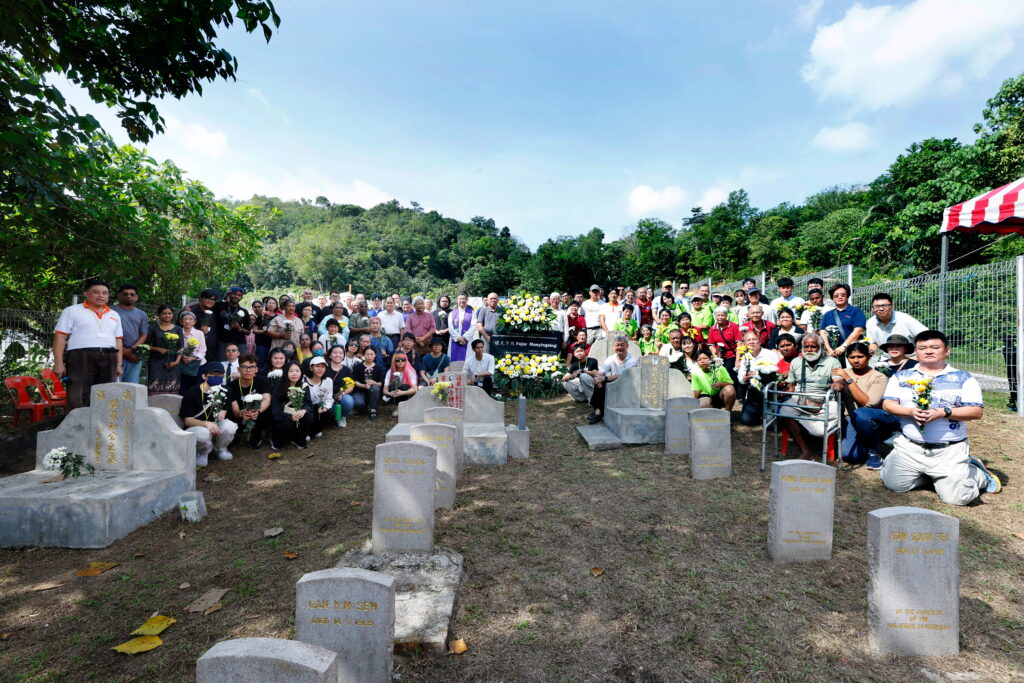
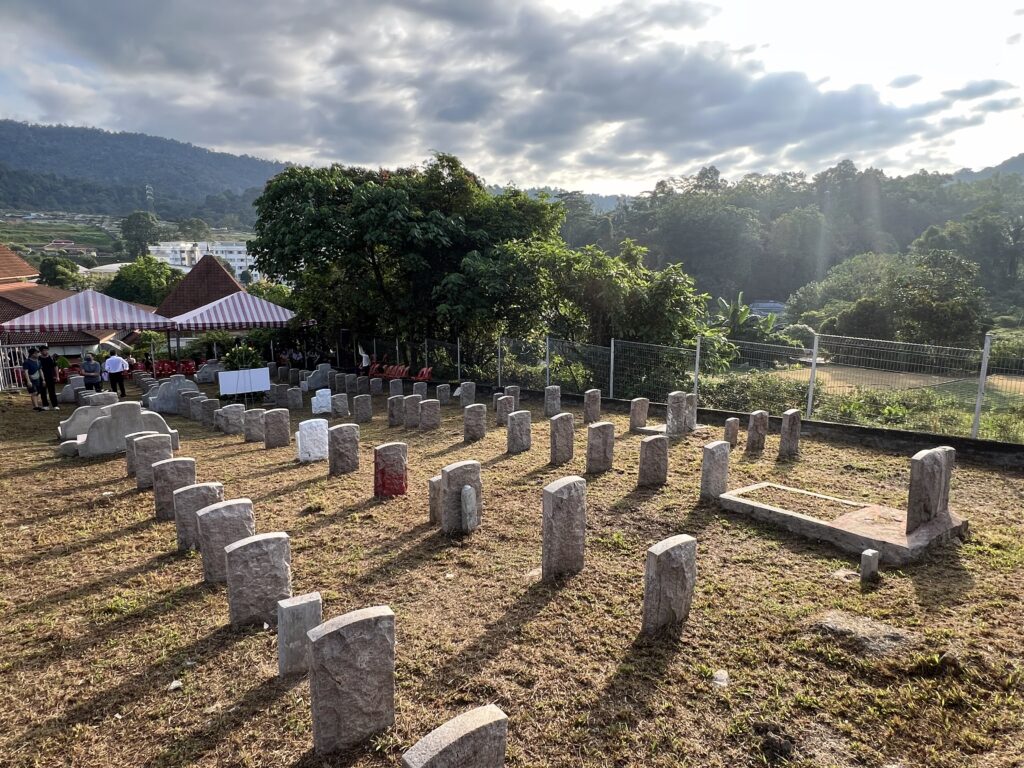
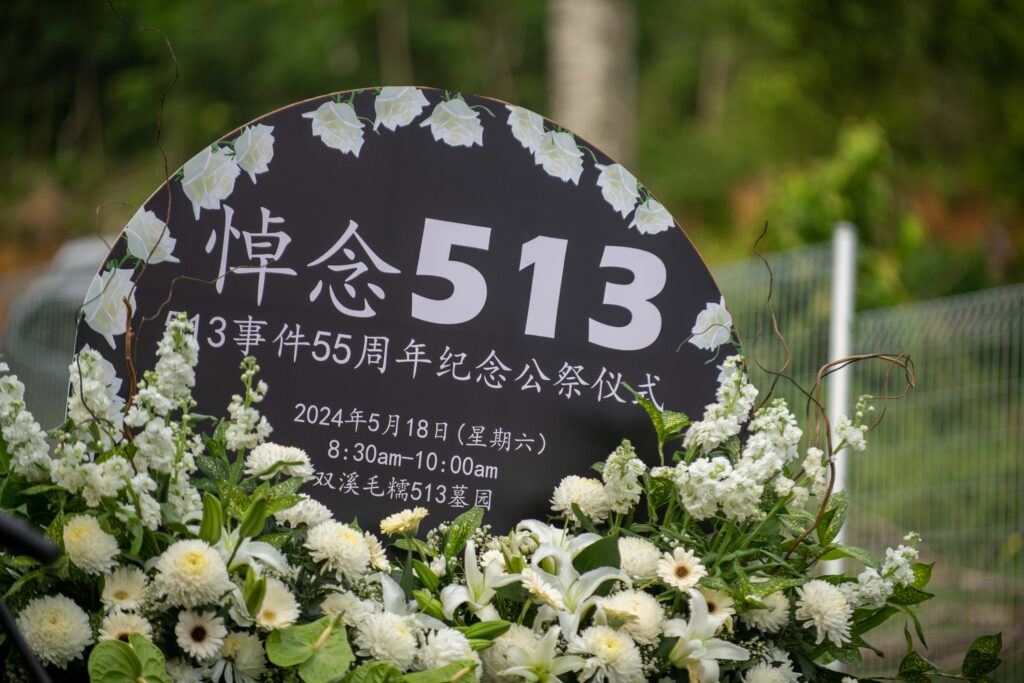
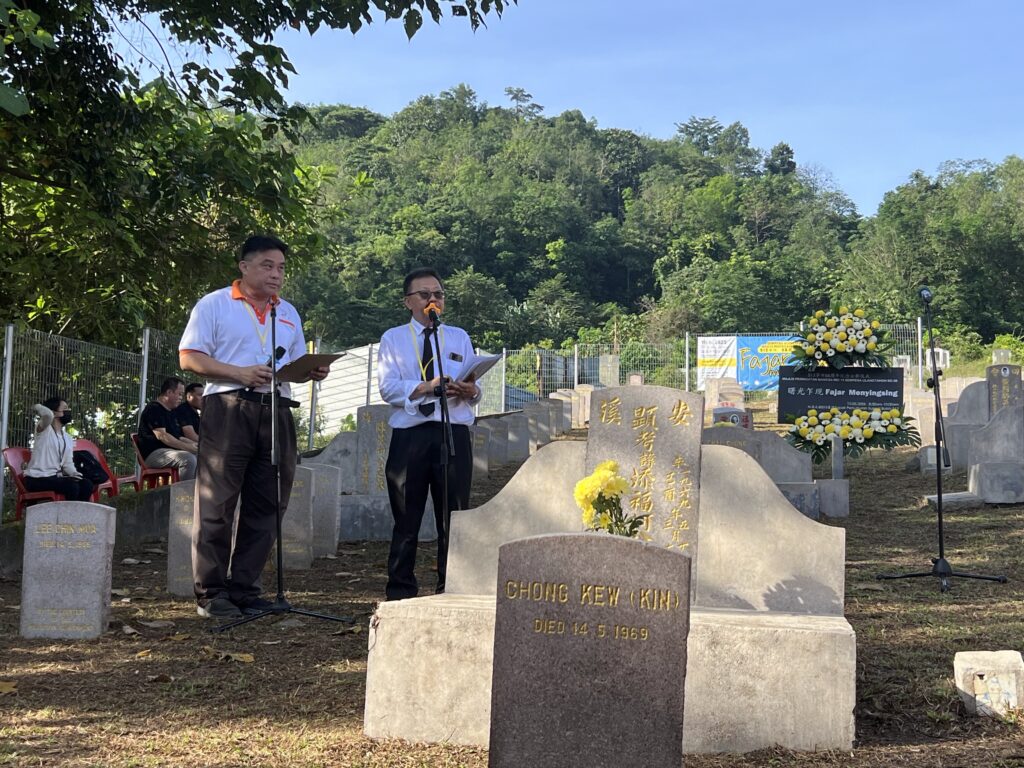
On 13 May 1969, Malaysia was shaken by severe racial violence. More than a hundred victims were laid to rest near the Sungai Buloh National Leprosy Control Centre, forming what is now known as the “Sungai Buloh May 13 Cemetery.” This cemetery stands as a significant historical site of the May 13 Incident, bearing the painful memories of a tragic chapter in the nation’s history.
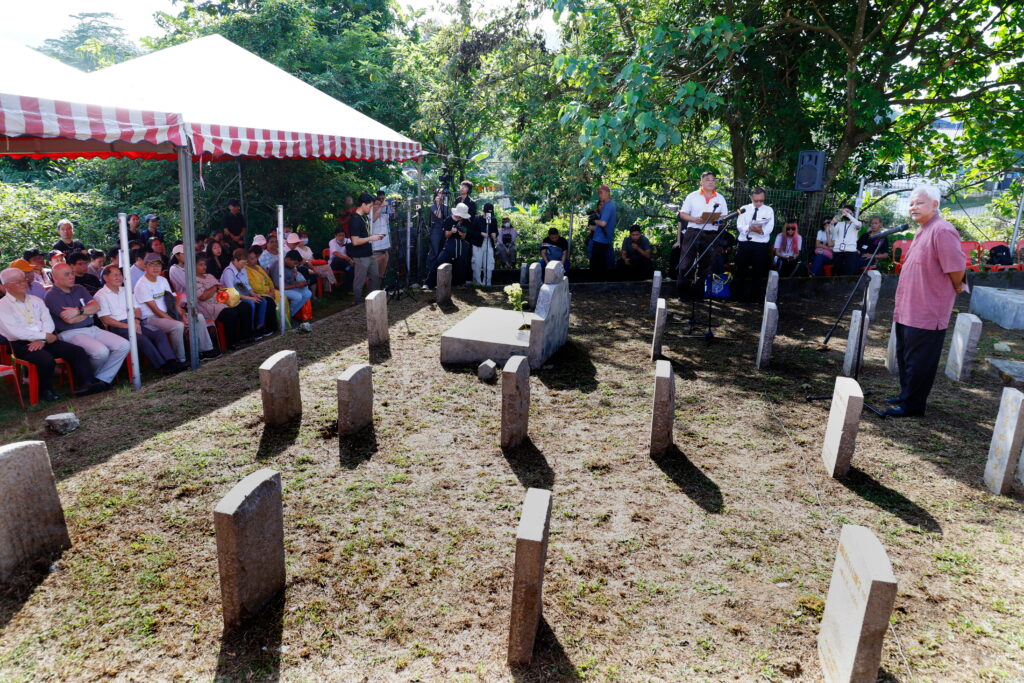
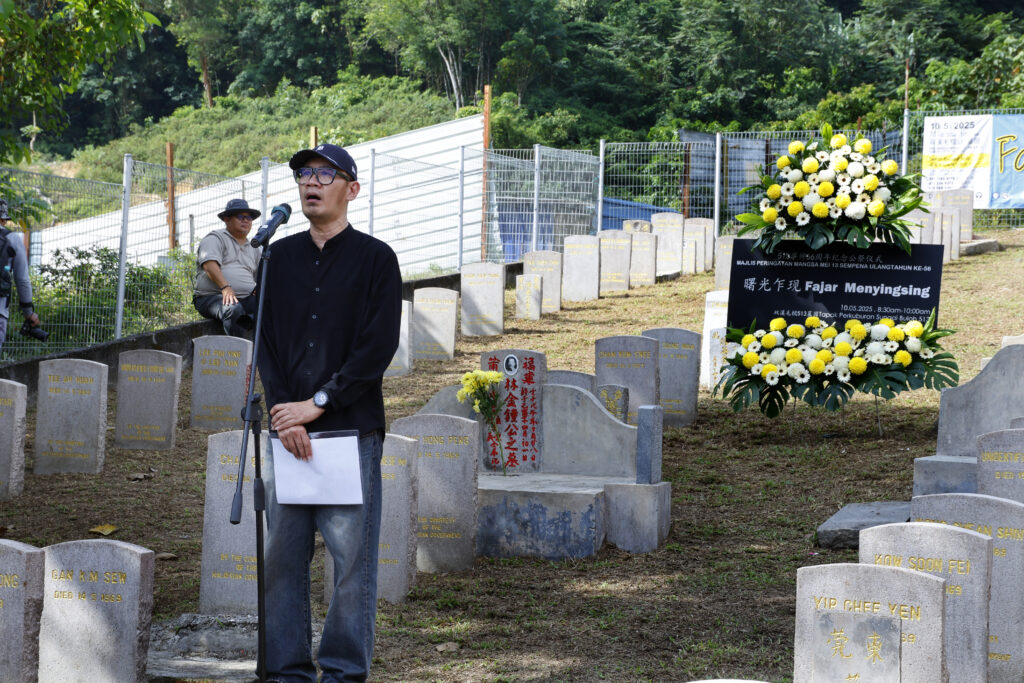
In 2017, the cemetery faced the threat of demolition and redevelopment into a parking lot. Fortunately, historians and cultural heritage advocates swiftly intervened and engaged local authorities, successfully safeguarding this important site. Subsequently, the May 13 Cemetery Preservation Committee was formed, which has since organised memorial ceremonies, guided tours, and public education activities to foster greater understanding and reflection on the May 13 Incident.
In 2020, the committee was formally registered as Persatuan Sahabat Warisan Kuala Lumpur dan Selangor (PESAWA). The association has since taken a more systematic approach to maintaining the Sungai Buloh May 13 Cemetery, while also advocating for the rights of the victims and their families, as well as addressing issues of transitional justice, including efforts to push for the declassification of official archives.
Located behind the mosque of Sungai Buloh Hospital, the Sungai Buloh May 13 Cemetery covers an area of approximately 3,000 square feet and contains over a hundred graves representing multiple ethnic communities. It is a cross-ethnic historical testament that reminds society to confront past trauma and to prevent such tragedies from recurring.
In 2024, the Selangor State Government formally gazetted the land on which the cemetery stands as a non-Muslim burial ground and entrusted its management to PESAWA. This decision laid an important institutional foundation for commemoration of the May 13 Incident and the pursuit of transitional justice. PESAWA will continue to safeguard historical memory, work toward uncovering the truth, and provide a public space for remembrance, reflection, and dialogue.